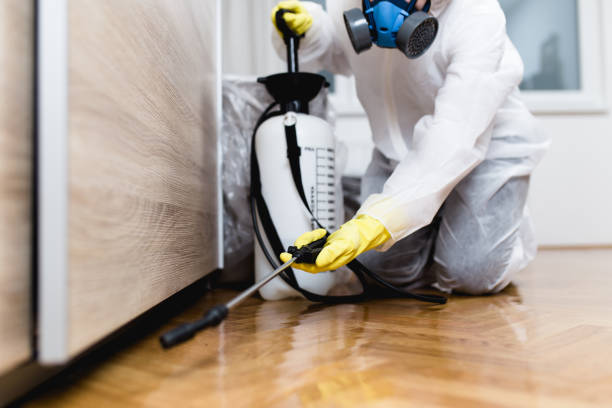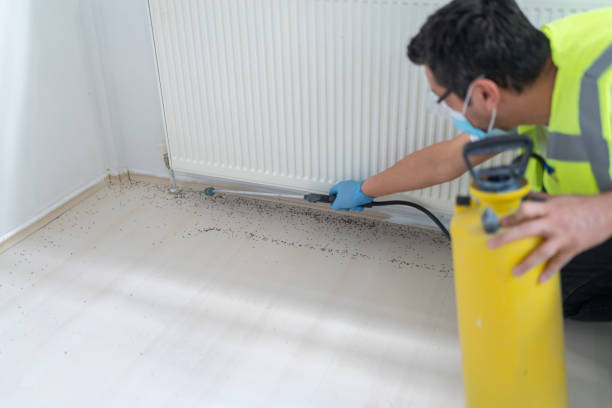
Maintaining a clean home is essential for a healthy and comfortable living space, but even the most spotless homes can still encounter pest infestations. This can be frustrating and puzzling for homeowners who take pride in their cleanliness. Below, we explore six reasons why pests might invade even the cleanest homes and what you can do about it.
1.Accessible Entry Points
No matter how clean your home is, pests such as ants, mice, or spiders can enter through small cracks, gaps around windows and doors, or poorly sealed utility lines.
– Unsealed gaps in window frames or doorways
– Cracks in walls or foundations
– Vents without proper covers
– Openings around pipes and cables
Tip: Regularly inspect your home’s exterior for potential entry points and seal them using caulk, weatherstripping, or steel wool.
2.Food Residue and Scraps
Even if you clean regularly, tiny crumbs or residues left behind after cooking can attract pests like cockroaches and ants. Pests have an exceptional ability to detect food sources that are invisible to the human eye.
Common problem areas include:
| Area | Typical Issue | |—————————-|——————————————————————————| | Kitchen countertops | Leftover crumbs after meal preparation | | Under appliances | Accumulated grease or food particles | | Trash bins | Improperly sealed garbage bags attracting flies |
Tip: Deep-clean kitchen surfaces regularly, vacuum under appliances periodically, and always use tightly sealed trash bins.
3.Water Sources
Pests like cockroaches and rodents are drawn to moisture. Even minimal water accumulation can provide them with a sustainable habitat.
Key water sources that may attract pests:
– Leaky faucets in kitchens or bathrooms
– Standing water in sinks or bathtubs
– Excess moisture near HVAC units
Tip: Fix leaks quickly and ensure no standing water is left unattended for extended periods of time.
4.Clutter Provides Shelter
Pests thrive in cluttered areas because they offer hidden spaces to nest and breed. This includes storage rooms, basements, attics, as well as crowded drawers.
Examples of clutter-prone areas where pests hide:
– Cardboard boxes (ideal nesting sites for insects like silverfish)
– Stacks of old newspapers or magazines
Tip: Declutter regularly by organizing storage areas using plastic bins instead of cardboard boxes.
5.Outdoor Factors
Your yard plays a significant role in determining whether pests will invade your home. Overgrown vegetation close to your house’s perimeter creates an inviting habitat for insects like spiders and termites.
Typical outdoor factors contributing to indoor infestations include:
| Outdoor Factor | Pests Attracted | |—————————–|—————————————-| | Overhanging tree branches | Ants, rodents | | Untrimmed shrubs | Spiders | | Mulch near foundation | Termites |
Tip: Maintain at least a two-foot clearance between vegetation and your home’s foundation by trimming trees/shrubs regularly.
6.Unintentional Hitchhiking
Sometimes pests enter a clean home through items brought inside unknowingly—such as grocery bags, luggage from trips, second-hand furniture purchases, or deliveries left outside for extended periods of time.
Examples:
– Bed bugs hiding in suitcases post-travel
– Cockroach eggs carried on grocery packages
Tip: Inspect belongings thoroughly before bringing them indoors.
By addressing these six factors proactively—through sealing entry points, eliminating food residue/moisture sources, reducing clutter indoors/outdoors—you can make it harder for unwanted invaders to take hold despite maintaining excellent hygiene practices at all times.
Effective Pest Prevention: 5 Tips from a Davie FL Exterminator to Avoid Bed Bugs
Jose’s Bug A Bug Pest, Termites
6115 Stirling Rd STE 207, Davie, FL 33314
+19544368526
https://bugabugpest.com
Bed bugs are among the most resilient and troublesome pests that can invade your living space. While they don’t carry diseases, their bites can cause itchiness, discomfort, and psychological distress. Prevention is key to avoiding bed bug infestations, especially since eliminating them can be costly and time-intensive.
– Use a flashlight to inspect dark corners or hidden areas where bed bugs may hide.
– Wash any secondhand clothing on high heat immediately after purchase before putting it in your closets.
-Hotels, public transportation, and even rideshares are common places where you could unknowingly pick up bed bugs.
– Keep luggage off the floor by using luggage racks provided in hotel rooms.
– After returning from a trip, vacuum suitcases thoroughly and store them away from sleeping areas.
-Clutter provides hiding spots for pests like bed bugs and makes detection harder.
– Declutter storage spaces like closets or under-the-bed areas by organizing belongings in sealed plastic bins or zippered bags that pests cannot penetrate.
– Dispose of unnecessary paper piles such as old newspapers or magazines that serve as potential hiding spots.
| Area | Ways to Declutter | Tools Needed |
| Bedroom | Use under-bed storage containers | Plastic bins with lids |
| Closet | Rotate seasonal clothing; donate unused items | Vacuum-sealable bags |
| Living Room | Avoid excessive throw pillows | Storage ottomans |
– Apply caulk along any visible cracks near flooring or walls.
– Replace damaged weather stripping around windows and doors.
– Install door sweeps at the base of exterior doors.
Sealing entry points not only reduces the chances of pest infestations but also improves energy efficiency by blocking drafts.
A routine cleaning schedule for your bedroom is vital if you want to guard against pests like bed bugs:
– Wash sheets, pillowcases, blankets, and comforters on high heat every one to two weeks.
– Dry clean larger items like duvets regularly if they cannot be washed at home.
– Encase mattresses with specially designed protective covers that prevent pests from entering or escaping.
By adopting these five preventative measures consistently, you’ll significantly reduce the likelihood of encountering a bed bug infestation while maintaining peace of mind regarding pest control management within your household.
Effective Davie FL Pest Removal: 5 Simple Steps to Prevent Bed Bugs
Bed bugs are among the most persistent and challenging household pests to manage. Their ability to hide in tiny crevices and their rapid reproduction make them a major concern for homeowners. However, with a proactive approach, you can significantly reduce the risk of bed bug infestations. Follow these five simple yet effective steps to keep bed bugs at bay.
Used furniture, clothing, or mattresses can harbor bed bugs without showing obvious signs of infestation.
- Focus on seams, corners, and crevices in furniture like sofas or mattresses.
- Wash used clothing or fabrics on the highest setting allowable, followed by drying on high heat.
- Avoid picking up discarded furniture from curbsides or unknown sources.
Encasement covers act as a protective barrier against bed bugs that try to infiltrate your sleeping area.

- Look for zippered encasements specifically designed to block bed bugs.
- Ensure the covers are made from durable materials that prevent tearing.
Bed bugs thrive in cluttered environments where they can find plenty of hiding spots. Keeping your home organized helps reduce their opportunities to establish themselves.
- Store items in sealed plastic bins instead of cardboard boxes.
- Create open spaces by reducing unnecessary furniture in bedrooms.
- Regularly vacuum floors, baseboards, and upholstered furniture to remove potential hiding spots.
| Clutter Areas | Recommended Action |
| Under beds | Use storage bins with tight-fitting lids |
| Closets | Organize items and avoid leaving clothes on the floor |
| Corners | Keep corners clean and free from piled objects |
Travel increases your risk of accidentally bringing bed bugs home with you. Taking precautions during trips can minimize this threat.
- Inspect hotel bedding, mattress seams, headboards, and couches upon arrival.
- Store luggage off the floor using luggage racks or hard surfaces away from walls.
- After returning home, wash all travel clothing immediately at high temperatures.
Proactive pest control solutions can help stop an infestation before it starts.
- Apply diatomaceous earth along baseboards or other entry points as a natural deterrent.
- Place sticky traps under beds or near suspected hotspots for early detection.
- Consult a pest control professional if you suspect any early signs of an infestation.
By following these five steps consistently, you create an inhospitable environment for bed bugs while protecting your home from future invasions. Early prevention is key when dealing with this resilient pest species.
3 Common Garden Pests and Proactive Ways to Prevent Them From Invading
Garden pests can wreak havoc on your plants, shrubs, and trees if left unchecked. While different pests require different solutions, proactive prevention is always the best strategy to protect your garden. Below, we take a closer look at three common garden pests and offer practical ways to keep them from invading your outdoor spaces.
Aphids are small, soft-bodied insects that feed on plant sap. They can stunt plant growth and lead to yellowing leaves or distorted stems.
How to Spot Them:
– Clusters of tiny insects on leaves or stems.
– Sticky residue (honeydew) left behind.
– Presence of sooty mold caused by honeydew buildup.
Proactive Prevention Tips:
– Introduce beneficial insects like ladybugs or lacewings into your garden.
– Plant aphid-repelling plants such as marigolds, garlic, or chives nearby.
– Use a strong jet of water to dislodge aphids from plants during early infestations.
Slugs and snails are notorious for chewing through leaves, seedlings, and fruit. Their slimy trails make them easy to identify but difficult to control without proactive measures.
How to Spot Them:
– Irregular holes in leaves with smooth edges.
– Slime trails left behind on paths or around plants.
Proactive Prevention Tips:
– Create barriers using crushed eggshells, diatomaceous earth, or copper tape around plant bases.
– Water plants in the morning rather than the evening to reduce moisture levels that attract slugs.
– Attract natural predators like birds by installing bird feeders near the garden area.
Whiteflies are tiny white-winged insects often found clustered on the underside of leaves. They weaken plants by sucking out nutrients and spreading diseases.
How to Spot Them:
– Small clouds of white insects fly up when disturbed.
– Wilting leaves or stunted growth despite regular care.
Proactive Prevention Tips:
– Install yellow sticky traps near affected areas as whiteflies are drawn to bright colors.
– Regularly inspect the underside of leaves for eggs or larvae.
– Use insecticidal soap or neem oil sprays for sustainable pest control options.
| Pest | Signs | Prevention Strategies |
| Aphids | Clusters on stems/leaves | Ladybugs, marigolds, strong water spray |
| Slugs/Snails | Holes in leaves/slime trail | Crushed eggshells, morning watering |
| Whiteflies | Flying clouds/leaf damage | Sticky traps, neem oil spray |
Healthy gardening practices not only ensure better crop yields but also create an ecosystem that naturally deters unwanted invaders.
8 Essential Organization Tips for Keeping Rodents and Insects Out of Your Garage
A cluttered garage can act as a magnet for rodents and insects, offering them shelter, food, and hiding spots. Organizing your garage not only improves its functionality but also minimizes the chances of pest infestations. Below are eight essential organization tips to help keep your garage pest-free.
Garages often accumulate unnecessary items over time, creating perfect conditions for pests to hide and nest.
– Remove old boxes, unused equipment, and outdated items.
– Dispose of garbage promptly to eliminate sources of attraction for pests.
– Donate or recycle items you no longer need.
Cardboard boxes are common in garages but attract pests like cockroaches and rodents due to their chewable texture and potential for harboring food residue.
– Use durable plastic bins with tight-fitting lids for storage.
– Clearly label bins to streamline access without creating disarray.
| Storage Type | Pest Risk Level | Recommended Action |
| Cardboard Boxes | High | Replace with plastic bins |
| Plastic Bins | Low | Seal tightly with lids |
Storing pet food, birdseed, or even dry goods in your garage is an open invitation for pests:
– Move food items indoors whenever possible.
– If storage is unavoidable, use airtight containers made from metal or thick plastic.
Rodents can squeeze through small gaps around doors or windows into your garage:
– Install weatherstripping on all doors leading outside.
– Inspect regularly for damage or gaps that could allow entry.
Placing stored belongings directly on the floor creates easy hiding spaces for pests like spiders and mice:
– Use shelving units to keep items elevated by at least six inches.
– Maintain visibility under shelves so pests cannot build nests unnoticed.
Small cracks in walls or gaps along the floor can serve as entry points for insects like ants or small rodents:
– Inspect periodically for openings around pipes, vents, or foundations.
– Use caulk or steel wool to seal these areas effectively.
Dampness attracts pests such as silverfish, centipedes, and mold-loving insects:
– Install a dehumidifier if your garage tends to retain moisture.
– Ensure proper ventilation by keeping vents clear of obstructions.
The landscaping around your home can play a role in attracting pests inside:
– Trim vegetation near garage doors to reduce hiding spots for outdoor insects.
– Keep trash bins away from the garage entrance as they can attract scavengers.
By implementing these simple yet effective organizational strategies, you’ll not only enhance the usability of your garage but also create an environment that is less hospitable to unwanted intruders. Prevention through organization is one of the most practical ways to maintain a pest-free zone year-round.
- 6 Reasons Why Davie FL Pest Control Is Essential for Even the Cleanest Homes
- Year-Round Solutions for Davie FL Pest Control and Seasonal Pest Issues
- Debunking Myths About Davie FL Pest Removal and Revealing the Truth
- What to Expect After Hiring a Davie FL Exterminator
- Top 5 Pest Control Myths Debunked by a Trusted Davie FL Exterminator
- Why Hiring a Davie FL Exterminator Is Better Than DIY Pest Control